Choosing payment methods is one of the most important decisions when launching an online store, and also one of the most underestimated. In the region (Bosnia and Herzegovina and neighboring Western Balkan countries), where shopper habits, access to banking services and trust in online shopping vary considerably, there is no universal solution that fits every store. The wrong choice can mean abandoned carts, lost revenue and frustrated customers, while a well-designed mix of methods directly affects your conversion rate. In this article we break down the realistic options available today, their advantages and limitations, and how to make a decision based on data rather than assumptions.
Why is choosing payment methods a strategic decision, not a technical one?
Many store owners see payment as a feature you simply “switch on”. In practice, the way a customer pays shapes the entire experience at the end of the purchase process, exactly where the decision to buy is finalized or abandoned. If most people in your target market still prefer cash on delivery and you only offer card payment, you lose a significant part of your audience before you ever see them as customers.
That is why the choice of methods has to start from your customer profile: how tech-savvy they are, how much they trust online payments, what the average cart value is and how often they buy. Only then comes the technical integration. Well-planned ecommerce development always starts with these questions, not with a list of available plugins.
Cash on delivery still dominates
In most countries in the region, cash on delivery (paying the courier in cash or by card on receipt) remains the most widespread payment method in online retail. The reasons are both practical and psychological: customers pay only once they physically see the goods, they do not have to enter card details, and they feel safer making a first purchase from an unknown seller.
The advantages are clear, but there are real costs to factor in:
- A higher rate of refused deliveries. Some orders are never picked up, which means shipping and return costs with no revenue.
- Tied-up capital. Money arrives only after delivery, which strains cash flow at higher order volumes.
- Manual reconciliation. Collection often comes down to reports from the courier service, which requires extra administration.
Even so, leaving out cash on delivery is simply not a realistic option in many niches. A smarter approach is to offer it alongside a small incentive for prepayment, for example a lower shipping cost for online payment.
Card payments and accepting cards online
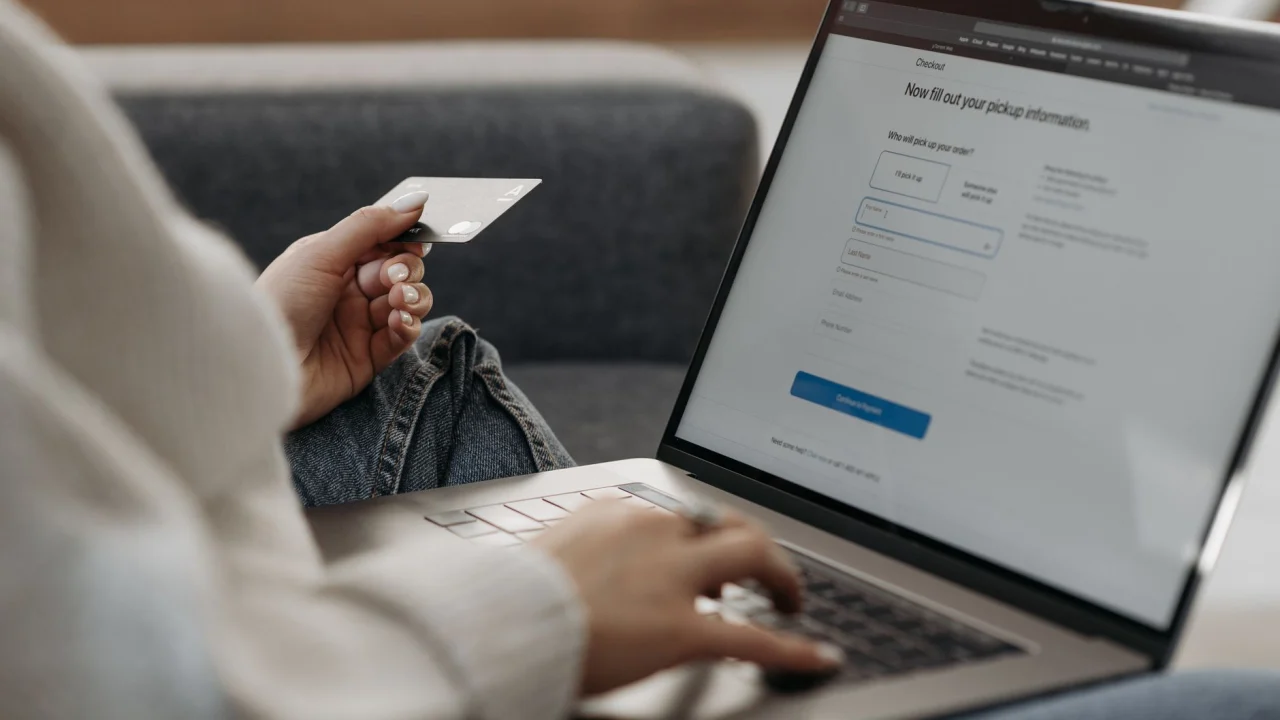
Paying by card through an online point of sale is becoming increasingly common, especially among customers who shop online regularly. To accept cards, you need a contract with a bank or payment processor that provides a so-called payment gateway, a service that securely processes the transaction between the customer, your store and the bank.
If you plan to sell online, see what our ecommerce development looks like: payments, shipping and invoices ready from day one.
When choosing a processor, pay attention to a few things:
- Per-transaction fees and any monthly or fixed charges.
- Support for 3-D Secure authentication, which is now the standard for fraud protection.
- Payout schedule, meaning how many days it takes for funds to reach your account.
- Support for domestic and foreign cards, if you plan to sell outside your own country.
The technical integration of card payments requires careful handling of security and must never involve storing card data on your server. Instead, the data is processed directly by the processor. This is an area where it pays to invest in a stable, proven technical solution, because mistakes directly affect trust and can have legal consequences.
Instant bank transfers and digital wallets
In recent years, a growing number of customers use instant payments through mobile banking apps, most often by scanning a code or through fast real-time transfers. This method is especially interesting because it combines the security of online payment with lower fees than cards, and the money often arrives almost instantly.
At the same time, digital wallets and mobile payment methods are becoming standard among younger audiences and for purchases made on mobile devices. Since most online store traffic today comes from phones, support for paying in a few taps can noticeably reduce cart abandonment.
Before introducing these methods, check how widely your customers actually use them. Sometimes adding too many options creates confusion instead of convenience, so it is better to focus on a few methods your audience really uses.
Comparison of the main methods
| Method | Fees | Payment speed | Best suited for |
|---|---|---|---|
| Cash on delivery | Low to medium (cost of returns) | After delivery | First-time buyers and niches with lower trust |
| Card online | Medium | A few days | Regular online shoppers |
| Instant transfer | Low | Almost instant | Mobile banking users |
| Digital wallet | Medium | Fast | Younger, mobile audiences |
Security, compliance and technical integration
Whatever combination of methods you choose, security has to be the starting point, not an afterthought. An online store that accepts payments must run over a secure connection, handle personal and financial data properly, and follow the processor’s rules and data protection regulations. For card payments, this specifically means relying on industry standards and leaving sensitive data to specialized processors.
On the technical side, a well-built system should automatically record the status of every order, match each payment to its order and send the customer a clear confirmation. The fewer manual steps, the fewer errors and disputes. When payments, inventory and notifications work as a single whole, maintenance costs go down and the store becomes more reliable. This kind of integration is easiest to achieve with custom solutions that follow the real processes of your business.
How to choose the right combination
The best approach is to start with a narrow selection and expand it based on data. A recommended order of thinking:
- Find out what your customers already use and trust.
- Offer one reliable prepayment method and one deferred payment method.
- Track the cart abandonment rate by method and adjust your offer.
- Add new options only when there is clear demand.
The goal is not to have the most methods, but the right combination that gives your customers a sense of security and simplicity. If you are planning to launch or upgrade a store and are not sure which setup suits your market, feel free to contact us and together we will define a solution that is secure, scalable and tailored to your customers.